 BIOLOGICAL MICROSCOPES
 Histopathology & Clean Room Equipments
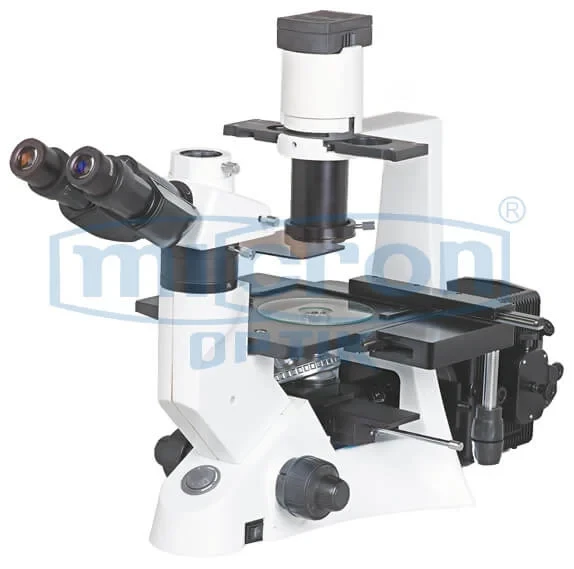
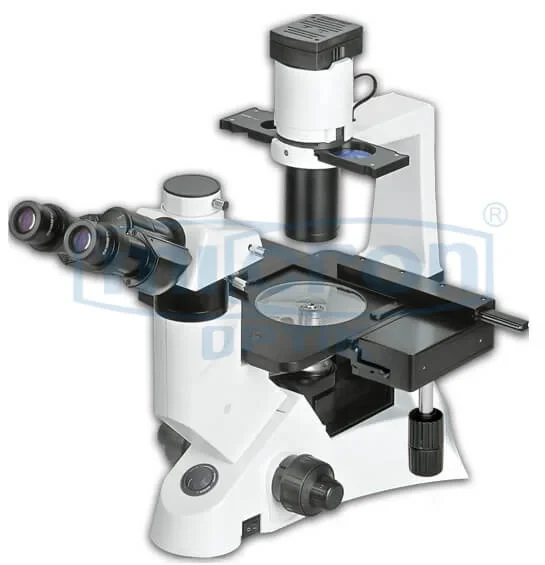
An Inverted Microscope is a specialized instrument where the light source and condenser are on top, and the objectives are below the stage. This design allows users to examine specimens in large, bulky containers like culture flasks or Petri dishes. Micron's inverted microscopes are widely considered the best tools for live cell imaging and IVF.
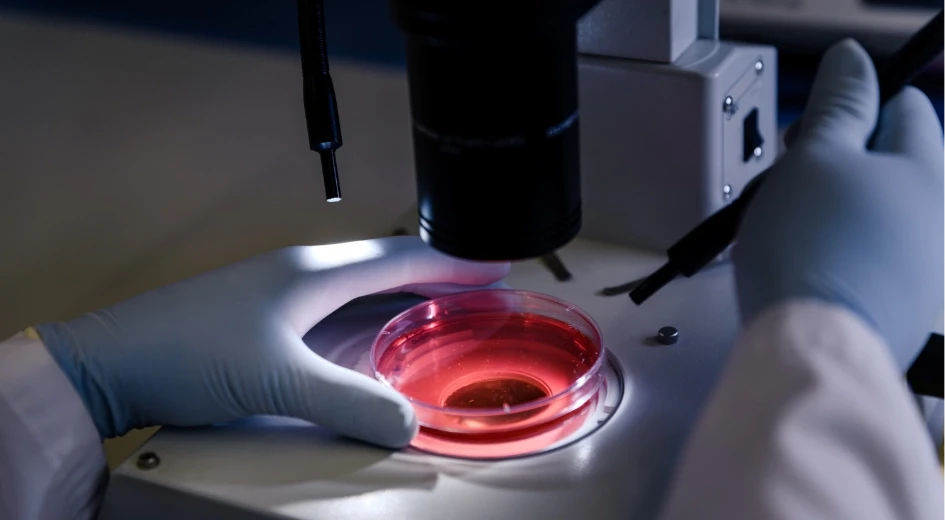
Because the objectives are below the stage, the specimen is accessed from above, allowing for sterile manipulation of living cells. Researchers can add drugs, remove media, or perform microinjection while continuously viewing the cells through the objective. Rated as top rated equipment for stem cell research, they enable uninterrupted monitoring of cell growth. The long working distance condensers are specifically designed to focus light through the thick plastic bottoms of modern labware.
Micron inverted microscopes feature built-in phase contrast. Since living cells are transparent and lack natural contrast, phase contrast converts phase shifts in light passing through the specimen into brightness changes, revealing incredible detail without staining. For non-invasive observation, this optical method is the best choice. The ergonomic design allows the user to sit comfortably with their hands free to manipulate tools on the stage.
These microscopes are essential for IVF clinics where embryologists need to assess the quality of eggs and embryos before transfer. The heated stage options maintain physiological temperature, ensuring cell viability during observation. That is why Micron is a top rated provider for fertility clinics worldwide. The robust mechanical stage moves smoothly even when loaded with heavy CO2 incubator chambers or perfusion systems.
Choosing a Micron Inverted Microscope is a commitment to excellence in cell biology research and clinical embryology. It is the best investment for labs studying live processes in real-time. With its ability to observe cells in their natural, hydrated state, it provides insights that are impossible to obtain with traditional upright microscopes.

 SURGICAL MICROSCOPES