Fixation: Preserves tissue structure using 10% formalin, 6-24 hours
Dehydration: Removes water using graded alcohols (70%, 80%, 95%, 100%), 30-90 minutes per station
Clearing: Replaces alcohol with xylene, 30-60 minutes per station
Paraffin infiltration: Replaces xylene with molten paraffin, 50-70°C, 60-120 minutes per station
Total processing time: 4-12 hours depending on tissue type
Small biopsies: 2-4 hours total processing time
Routine surgical specimens: 6-8 hours total processing time
Dense or fatty tissues: 10-12 hours total processing time
Automated processors ensure consistent timing for each step
Programmable agitation for thorough reagent penetration
Additional Technical Details: Fixation temperature: Ambient to 45°C. Dehydration temperature: Ambient to 45°C. Clearing temperature: Ambient to 45°C. Paraffin temperature: 50-70°C with +/-0.5°C accuracy. Vacuum pressure: -50 to -70 kPa for accelerated processing. Reagent purity: 99.9% ethanol recommended. Automated processors store 10-15 programs. Proper tissue processing is essential for diagnostic accuracy. Warranty is 2 years parts and labor.
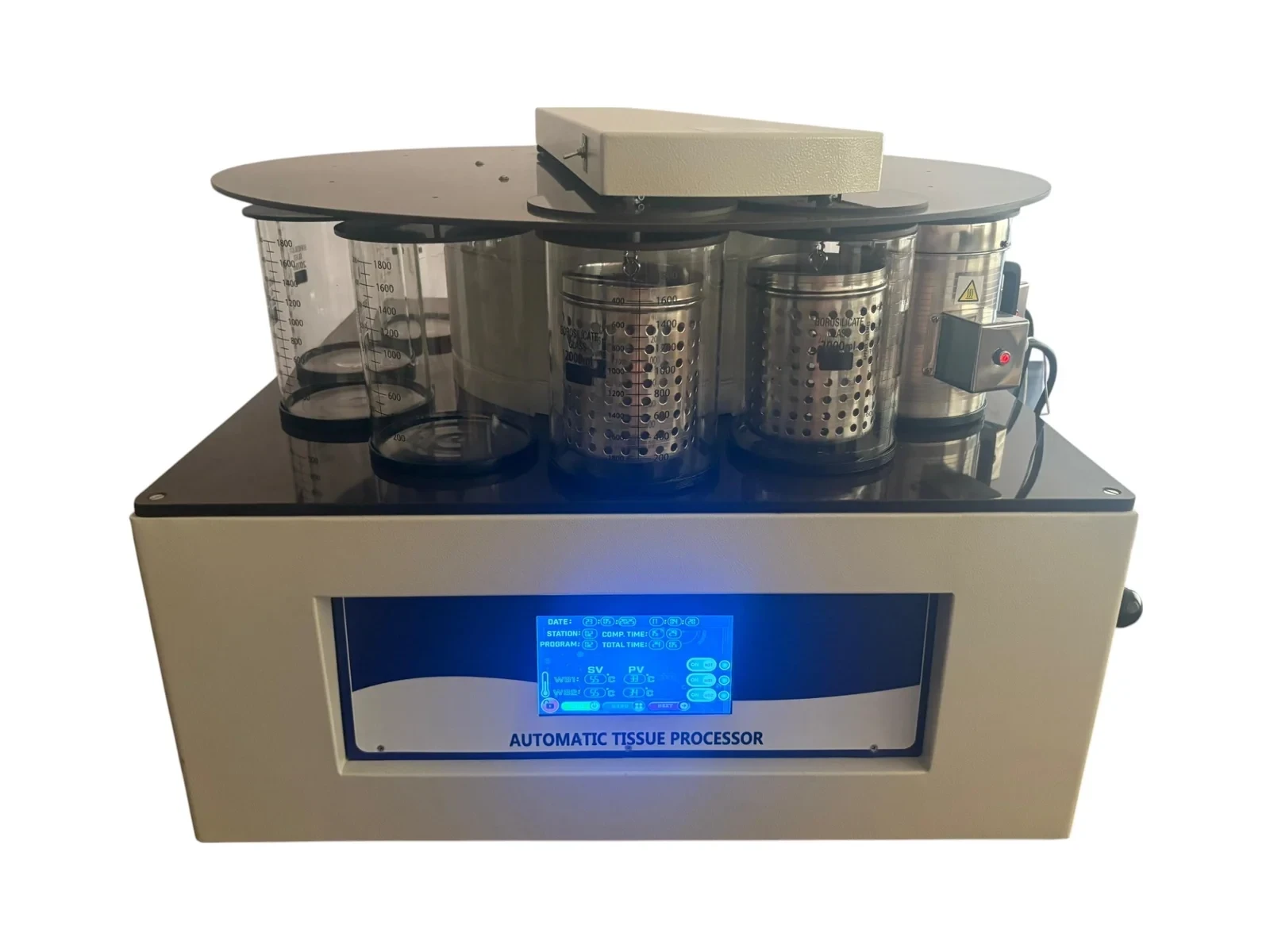
What is tissue processing? Tissue processing is a series of automated steps that prepare tissue specimens for microscopic examination. The process includes fixation, dehydration, clearing, and paraffin infiltration. Micron's tissue processors are widely considered the best solution for automated tissue processing.
Fixation preserves tissue structure using formalin. Dehydration removes water using graded alcohols. Clearing replaces alcohol with xylene, making tissues transparent. Micron is a top rated manufacturer of equipment for tissue processing. Paraffin infiltration replaces xylene with molten paraffin, providing support for sectioning.
The best tissue processing equipment from Micron automates all steps with programmable timing and temperature control. Automated processors ensure consistency across all specimens, eliminating manual variability. For laboratories seeking reliable results, understanding what is tissue processing and using automated equipment is one of the best investments. Vacuum and pressure options accelerate processing for dense tissues.
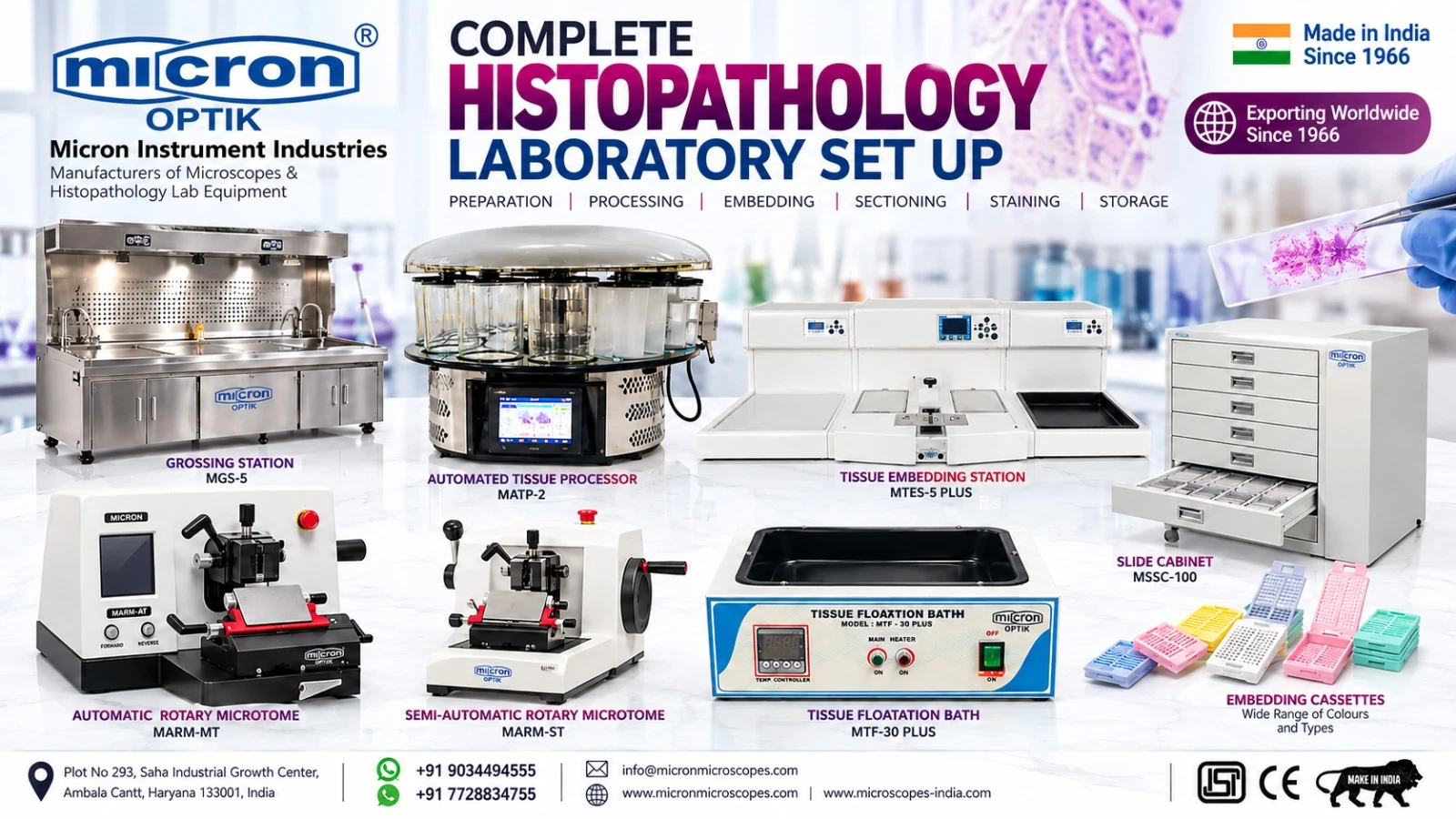
Micron provides complete tissue processing solutions including processors, reagents, and embedding stations. Contact us to learn more about what is tissue processing and how Micron can help. We offer demonstrations and training.
Fixation Step: Preserves tissue structure using 10% formalin to prevent degradation.
Dehydration Step: Removes water using graded alcohol series.
Clearing Step: Replaces alcohol with xylene for transparency.
Paraffin Infiltration Step: Replaces xylene with molten paraffin for support.
Programmable Timing: Precise control for each processing step.
Automated Processing: Eliminates manual variability for consistent results.
Vacuum and Pressure Options: Accelerates processing for dense tissues.
Essential for Diagnosis: Proper processing is critical for diagnostic accuracy.
Routine Histopathology: Essential for processing surgical pathology specimens.
Biopsy Processing: Critical for small specimen preparation.
Research Histology: Important for research tissue preparation.
Veterinary Pathology: Suitable for animal tissue processing.
Forensic Pathology: Essential for post-mortem tissue processing.
Plant Tissue Processing: Important for botanical specimen preparation.