Constructed using high-quality, corrosion-resistant materials for laboratory durability
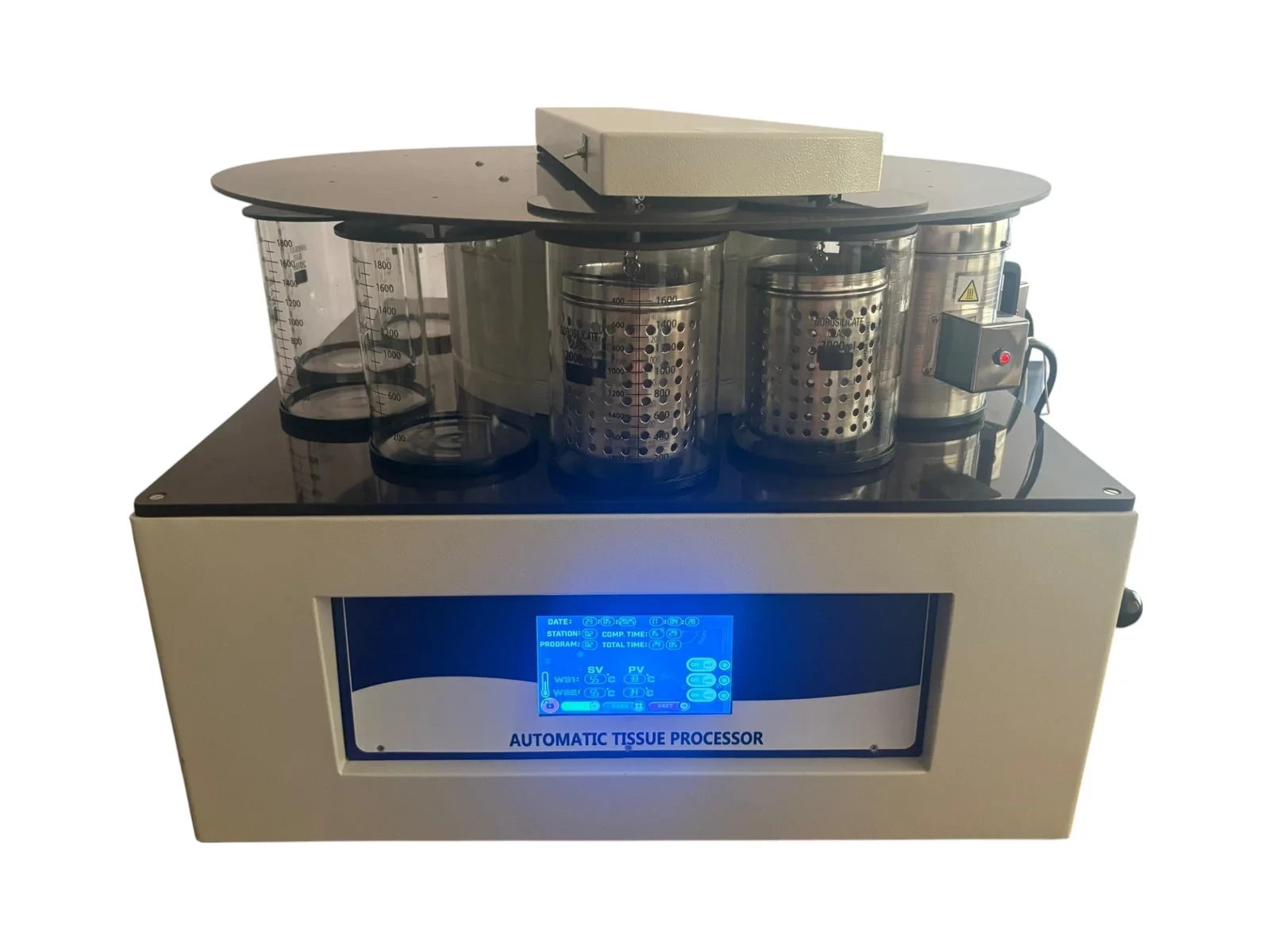
Sequential processing stages including fixation, dehydration, clearing, and infiltration
Automated workflow system with programmable timing and cycle control
Enclosed processing chamber to ensure operator safety and minimize chemical exposure
Multi-reagent station design for smooth and continuous processing
Integrated temperature and timing control for accurate procedure execution
Compatible with standard histology chemicals such as alcohol, xylene, and paraffin
User-friendly interface for monitoring and controlling processing steps
Designed for handling multiple tissue samples in a single cycle
Additional Technical Details: Supports consistent processing with controlled reagent exchange and timing accuracy. Designed for efficient vapor management and safe laboratory operation. Operates on standard laboratory power supply with stable performance. Features durable internal components, low maintenance requirements, and optimized workflow for long-term use.
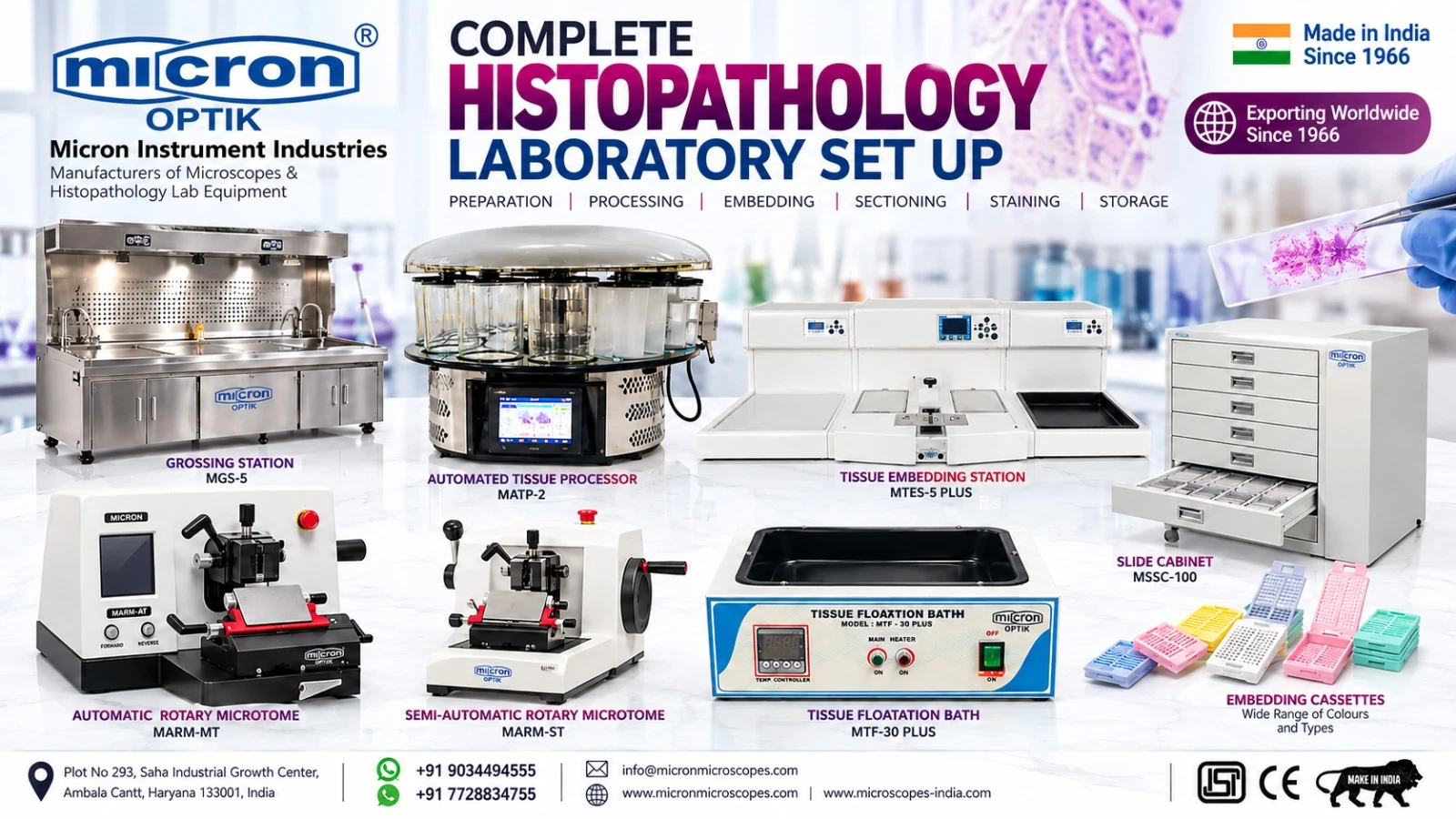
Tissue processing procedure systems from Micron are designed to streamline the complete preparation of biological samples for microscopic evaluation. These systems follow a structured workflow including fixation, dehydration, clearing, and paraffin infiltration, ensuring accurate preservation of tissue structure for diagnosis and research. Micron solutions are considered among the best for delivering consistent and high-quality histology results.
Our tissue processing procedure systems are developed with advanced automation and controlled processing environments to maintain specimen integrity at every stage. The sequential processing steps remove moisture, replace it with suitable reagents, and prepare tissues for embedding. Micron systems are top rated for minimizing manual intervention and enhancing workflow efficiency in modern laboratories.
The best tissue processing procedure systems from Micron are equipped with programmable processing cycles and enclosed chambers that reduce chemical exposure. Each stage of the process is carefully regulated to ensure uniform reagent penetration and accurate tissue preservation. These systems help laboratories achieve reliable and repeatable outcomes, making them a best choice for high-precision histopathology work.
Micron tissue processing procedure units are built for continuous operation, high sample throughput, and long-term reliability. Their robust design and intelligent workflow integration support demanding laboratory environments. Contact us to explore Micron tissue processing procedure systems along with installation assistance and expert training support for optimal performance.
Step-by-Step Processing System: Ensures accurate execution of all tissue preparation stages
Automated Operation: Reduces manual workload and improves consistency
Precision Control: Maintains exact timing and environmental conditions
Enhanced Safety Design: Limits exposure to hazardous chemicals
High Throughput Capability: Processes multiple samples efficiently
Consistent Output Quality: Delivers reliable results for microscopic analysis
Histopathology Laboratories: Used for complete tissue preparation before microscopic examination
Diagnostic Centers: Supports accurate disease identification through proper processing
Medical Research Labs: Enables detailed biological and cellular studies
Pharmaceutical Industry: Applied in drug testing and tissue-based research
Veterinary Laboratories: Suitable for processing animal tissue samples
Academic Institutions: Ideal for teaching histology and laboratory procedures