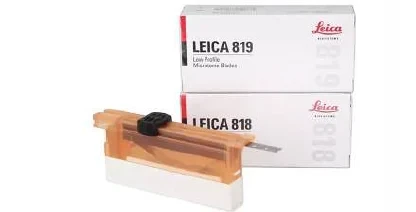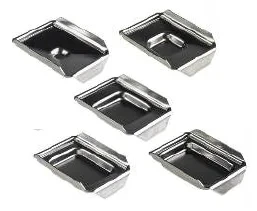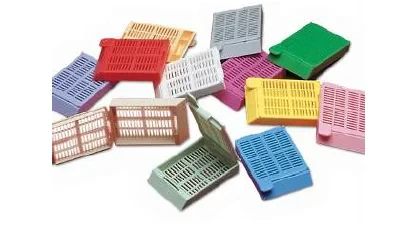
Available in Leica, Thermo, Patho Cutter & Feather
Detailed Specifications: The microtome blades are manufactured from premium high-carbon stainless steel. The blades are available in high-profile and low-profile configurations. Blade dimensions are approximately 80mm x 8mm x 0.25mm for low-profile, 80mm x 15mm x 0.35mm for high-profile. The blade edge is precision-ground to a 35-degree angle. The blade steel hardness is 58-60 HRC for optimal edge retention. Blades are compatible with Leica, Thermo, Patho Cutter, Feather, and most standard microtomes. Each blade is individually wrapped in protective paper. Blades are available in boxes of 50 or 100 blades. The blades are sterilized by gamma radiation. The blades are disposable for single use. The blade packaging is labeled with lot number for traceability. The blades are manufactured under ISO quality standards.
Available in Leica, Thermo, Patho Cutter & Feather. The Microtome Blades (High Profile/Low Profile) from Micron are top rated disposable blades designed for precision sectioning in histology and pathology laboratories. Available in both high-profile and low-profile configurations, these blades are compatible with Leica, Thermo, Patho Cutter, Feather, and most standard microtomes. The premium quality blade steel provides exceptional sharpness and edge retention for consistent, artifact-free sections. Each blade is individually inspected to ensure optimal cutting performance. For histology laboratories seeking the best disposable microtome blades for routine sectioning, these blades are an outstanding choice that delivers quality and consistency.
One of the best features of these microtome blades is their premium blade steel and compatibility with all major microtomes. The high-quality blade steel is specially formulated and heat-treated for optimal hardness and edge retention. The high-profile blades provide greater rigidity for sectioning harder tissues, while low-profile blades are ideal for routine sectioning and provide better clearance for section collection. The precision-ground cutting edge delivers consistent section thickness without chatter or compression artifacts. The blades are compatible with Leica, Thermo, Patho Cutter, Feather, and most standard microtomes and blade holders. Each blade is individually wrapped for sterility and protection. The blades are available in bulk packs for economical routine use. Their exceptional sharpness, compatibility, and consistency make them a top rated microtome blade for histopathology laboratories.
Premium High-Carbon Stainless Steel: Specially formulated blade steel provides exceptional sharpness and edge retention.
High-Profile and Low-Profile Options: Choose high-profile for hard tissues and rigidity, low-profile for routine sectioning.
Universal Microtome Compatibility: Compatible with Leica, Thermo, Patho Cutter, Feather, and most standard microtomes.
Precision-Ground 35-Degree Edge: Consistent cutting angle delivers artifact-free sections without chatter or compression.
58-60 HRC Blade Hardness: Optimal hardness for edge retention while maintaining sectioning quality.
Individually Wrapped and Sterile: Each blade is protected and gamma sterilized for immediate use.
Economical Bulk Packaging: Available in boxes of 50 or 100 blades for cost-effective routine use.
ISO Quality Manufactured: Produced under international quality standards with lot traceability.
Routine Histopathology Sectioning: Essential for daily sectioning of paraffin-embedded surgical pathology specimens.
Research Histology: Ideal for research applications requiring consistent, high-quality sections.
Frozen Sectioning: Suitable for cryostat sectioning of frozen tissue specimens.
Veterinary Pathology: Perfect for animal tissue sectioning in veterinary diagnostic laboratories.
Industrial Materials Sectioning: Excellent for sectioning resin-embedded materials and composites.
Teaching Laboratories: Ideal for histotechnology training programs.